TIFFEN 138SF12 Split Field Glass Diopter Close Up 049383002836 138MM 1/2
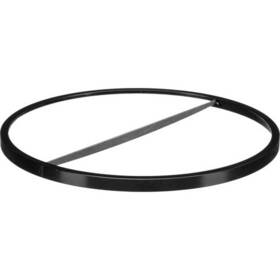
( Brand: Tiffen ), ( Manufacturer Part Number: 138SF12 ), ( Part Type: Glass ), ( Filter Shape: Circular ), ( Filter Effects: Close-up ), ( Country Of Origin: United States ), ( Filter Size: 138 Mm ), ( UPC: 049383002836 )
Review TIFFEN New 138mm Split Field 1/2 Glass Diopter Close up Plus
The Tiffen 138SF12 is a precision-engineered close-up filter designed for photographers and videographers who demand exceptional clarity and versatility in their macro and close-up photography. Part of Tiffen s renowned Optics Series, this 138mm split-field 1/2 diopter close-up lens is crafted to deliver razor-sharp focus and minimal distortion, making it an indispensable tool for capturing intricate details in subjects that are too small or too close for conventional lenses to resolve effectively. The split-field design allows photographers to maintain a consistent field of view while adjusting focus, as one half of the lens remains in sharp focus while the other half remains slightly out of focus, creating a seamless transition between depth planes ideal for subjects like flowers, insects, or textures where depth variation is critical. Constructed from high-quality optical glass, the 1/2 diopter element provides a modest magnification boost, enabling photographers to work at closer distances without sacrificing image quality. Its robust 138mm filter thread ensures compatibility with a wide range of camera systems and lenses, making it a flexible addition to any photography kit. Whether used in conjunction with extension tubes, bellows, or as a standalone close-up solution, the Tiffen 138SF12 excels in preserving the integrity of fine details, reducing chromatic aberration, and maintaining color fidelity across the entire frame. Built to withstand frequent use, this filter is both durable and lightweight, making it a practical choice for both studio and on-location shoots. For photographers who prioritize precision and optical excellence, the Tiffen 138SF12 is a standout accessory that bridges the gap between macro photography and traditional lens setups, offering uncompromising performance for those who seek perfection in their close-up work.
The Tiffen 138SF12 (138mm split-field 1/2 glass diopter close-up filter) is a specialized optical accessory designed for macro photography, allowing photographers to achieve closer focusing distances without sacrificing image quality. Below is a detailed breakdown of its pros and cons, followed by a conclusion and recommendation.
---
### **Pros of the Tiffen 138SF12**
1. **Enhanced Macro Capabilities**: This filter effectively extends the close-focusing range of your lens, enabling you to photograph subjects at distances much closer than the lens s minimum focus limit. This is particularly useful for macro photography, where precision and detail are critical.
2. **Split-Field Design**: The split-field nature of the filter allows you to frame your shot precisely. The top half of the frame remains in sharp focus at the lens s minimum focus distance, while the bottom half is shifted closer, creating a natural-looking depth effect. This is ideal for subjects like flowers, insects, or small objects where you want part of the image in sharp focus and part slightly out of focus for depth.
3. **High-Quality Optics**: Tiffen is known for producing high-quality glass filters, and this diopter filter is no exception. The optical quality is designed to minimize distortion, flare, and ghosting, ensuring that your images remain sharp and clear.
4. **Versatility**: While primarily used for macro photography, this filter can also be useful in other scenarios where you need to achieve a shallow depth of field at close distances, such as product photography or detailed architectural shots.
5. **Durability and Build Quality**: Tiffen filters are generally well-built, with sturdy metal frames and durable coatings. This filter is no different, making it a reliable tool for both studio and field use.
6. **Compatibility**: The 138mm size is a standard filter size, so it is widely compatible with most lenses that accept 138mm filters. It can be used with adapters if needed for other filter sizes.
7. **No Loss of Light**: Unlike some close-up lenses or extension tubes, this filter does not significantly reduce the amount of light entering the lens, which is beneficial for maintaining exposure in low-light conditions.
---
### **Cons of the Tiffen 138SF12**
1. **Limited Use Case**: This filter is specialized for macro photography and split-field effects. If you do not frequently shoot macro or require split-field framing, the investment may not be justified. It is not a versatile tool for general photography.
2. **Cost**: High-quality optical filters like this one can be expensive. For photographers who are not heavily invested in macro photography, the cost may be prohibitive compared to alternative solutions like extension tubes or close-up lenses.
3. **Depth of Field Limitations**: While the split-field design is useful, it also means that you cannot achieve a completely uniform depth of field across the entire frame. This may not be ideal for subjects where you want everything in sharp focus.
4. **Potential for Aberrations**: Like all optical filters, there is a risk of introducing minor aberrations such as chromatic aberration or vignetting, though Tiffen s reputation suggests these issues are minimized. Testing the filter with your specific lens is advisable.
5. **Physical Bulk**: The filter adds bulk to your lens, which can be cumbersome if you frequently switch between different lenses or need to carry multiple filters. It may also require additional space in your camera bag.
6. **Learning Curve**: Mastering the use of a split-field filter requires practice. You may need to experiment with framing and focus to achieve the desired effect, which can be time-consuming.
7. **Compatibility Issues with Some Lenses**: While the 138mm size is common, some lenses particularly those with very close minimum focus distances or specialized mounts may not benefit as much from this filter. Always check compatibility with your specific lens.
---
### **Conclusion**
The Tiffen 138SF12 is a powerful tool for photographers who specialize in macro photography or require split-field framing effects. Its high-quality optics, durability, and precision make it a valuable addition to a macro photographer s arsenal. However, its niche use case and relatively high cost mean it may not be worth the investment for casual photographers or those who do not frequently engage in macro work.
If you are already invested in macro photography and find yourself limited by your lens s close-focusing capabilities, this filter can significantly expand your creative possibilities. For others, alternative solutions like close-up lenses, extension tubes, or digital post-processing techniques might offer more flexibility without the same level of specialization.
---
### **Recommendation**
**Buy the Tiffen 138SF12 if:**- You are a macro photographer looking to extend your close-focusing range.
- You frequently use split-field framing for artistic or technical reasons.
- You value high-quality optical filters and are willing to invest in specialized equipment.
- Your lens is compatible with the 138mm filter size, and you have tested it to ensure minimal aberrations.
**Avoid buying the Tiffen 138SF12 if:**- You do not shoot macro photography or have no need for split-field effects.
- You are on a tight budget and can achieve similar results with cheaper alternatives like close-up lenses or extension tubes.
- Your lens already has a very short minimum focus distance, making the filter less impactful.
- You prefer versatility over specialization and are open to other creative solutions.
For photographers who are unsure, consider renting or borrowing the filter first to test its effectiveness with your specific setup before committing to a purchase.
Details:
Diopter are the simplest and least expensive method of close-up photography. If you're thinking of insuring your collectibles, why not have a means doing it without having to hire an expensive pro. This allows the camera to focus closer subject and achieve a larger image size while bringing out sharpest details in even tiniest subjects. They can be rotated in a Matte-Box to achieve the desired effect.
Close-up lenses not only give you creative freedom to help show a world up close that never imagined, but also serve as functional and valuable tool safeguard your possessions. Hand blower first, if its just light dust, that usually handles it. Available in: 1/2, 1, 2, These diopter are semi-circular pieces of glass that mounted in ring form.
Protecting your filters as you would camera lenses will ensure many years of use. Split-Field Diopter are the ultimate tool to enhance depth of field. If you are in a humid environment, the addition of fresh silica gel packs or dehumidifier theorem they stored is also highly recommended. The use of filter pouches or specialized cases will also keep your filters safe from breakage when not in.
138mm DIOPTER SPLIT 1/2 - NEW IN BOX,: Listing for sale is 1 brand new filter in a box with pouch. Split-Field lenses are often used to increase depth of field in pictures shot with isomorphic. List Price: $509. Stock Code: 138SF12, Availability: In Stock, Split Diopter are an incredible tool that help you enhance depth-of-field. Split-Field diopter are semi-circular, single element close-up lenses mounted in a precision crafted metal ring.
Type Split-Field Diopter Lens Close-up filter. The 138mm 1/2 Split-Field Diopter Lens shortens the close-focusing distance of normal fixed focal length or zoom lenses. TIP HOW TO PROLONGING THE LIFE OF YOUR FILTERS: Filters, like all crafted optics, are susceptible not only to breakage, but to premature aging caused by environmental factors. Even with protective measures employed, there are many factors that can still affect the longevity of filter: moisture prolonged exposure to humidity ,excessive heat and excessive light most common environmental causes that filters chemistry over time.
Diopter permit more of the scene to be in total focus simultaneously. They allow for more of the scene to be in total focus simultaneously. Have you ever wished that your lens could focus closer than it does. To protect your filters and keep them in great working condition for a long time along with the rest of camera gear we recommend making sure to stored dark, cool, dry place when not use.
Most filters are made up of several layers materials consisting glass, dyes,optical cements, chemical compounds, particles etc.
part #: 138sf12 prices
- $450.00-$495.00
specifications filtecam:
- brand: Tiffen
- mpn: 138sf12
- part type: Glass
- filter shape: Circular
- filter effects: Close-up
- country of origin: United States
- filter size: 138 Mm
- upc: 049383002836
shipping filtecam:
- class: Standard, Expedited
- transit: 4-9 Days
- type: Fixed
- service: USPS First Class, FedEx 2Day
- cost: $9.99
- carrier: USPS, FedEx
offer filtecam:
- started: May 30, 2026
- options: Ship-to-home
- quantity: 2
- availability: In Stock
- sold: 0
returns filtecam:
- method: Money back
- time: 14 Days
- paid by: Buyer
- policy: Returns Accepted
payments filtecam:
- credit card: Discover
- other
- wallet: Apple-pay
seller filtecam:
- rating: 100.0%
- # reviews: 19321
- city: Chatsworth, California
general filtecam:
- Cameras Photo > Lenses Filters > Filters
- condition: New
Tiffen 138SF12 Is Similar To:
- 0003 Eumig Lens Filters Tiffen Hoya And Close Up (25.4% similar) All attempts are made to represent each item in an honest and forthright manner. This extra step for you insures each order is correct, labeled and shipped out fast. Exchange is available but for any questions. 50 handling charge has been applied to the package help defer packaging costs. Combined ...(September 8th, 2018)
- 0049383028393 Tiffen Fog Glass Photographic Filter Mint (33.6% similar) Tiffen 52 52MM fog 1 glass photographic filter mint looks unused in original packaging...(January 1st, 2019)
- 0049383099423 New Usa Tiffen Uv Protector Filter In Protective (28.8% similar) Tiffen is a long-time filter maker based in USA. 3 shipping choices are available. The filters are made in USA...(February 7th, 2019)
- 02006 Tiffen 43mm Close Up (35.4% similar) ...(December 24th, 2017)
- 049383056884 Tiffen Circular Polarizing Filter New In Package (21.4% similar) New in package...(April 10th, 2018)
- 04938311332 Tiffen Lens Set For Digital Cameras New In Box Case (28.6% similar) Sale is final. Happy buying. I encourage buyers to ask questions before buying...(March 24th, 2019)
- 049383198171 Tiffen Close Up Filter Set Model Includes And (26.6% similar) Never used and come in original packaging...(November 2nd, 2018)
- 0884613010607 Tiffen Variable Nd Filter Nearly New Free Shipping (25.4% similar) Any questions, please let me know. This filter has served me well however, because I use it rarely, can no longer justify keeping...(July 18th, 2018)
- 124008 Tiffen Professional Filter Sky Usa New (34.8% similar) I was a dealer for these items and they have never been opened, sold or used. The pictures are actual un-boxing of one filters. There is one remaining for sales my other listings combined shipping available...(October 21st, 2018)
- 133703 Tiffen Blue Glass Photography Camera Lens Filter Usa In Box (35.3% similar) This Tiffen 52MM 80A blue glass photography camera lens filter USA in box is excellent condition its original with manual. Please see my other filters - I'm happy to combine shipping. It is free of scratches, scuffs or imperfections...(February 1st, 2019)
- 13811g1 Tiffen New Green Filter Mfr (36.2% similar) 138MM the 11 green 1 filter from Tiffen is a designed to build contrast in black and white photography. Tiffen filters are not dyed, but manufactured by using color core technology. When using this filter for portraiture in the out doors it will lighten skin tones and have better separation between ...(October 15th, 2018)