KODAK 1496694 Filter CC50M CC40M 1496686 75MM
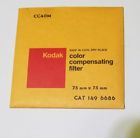
( Brand: Kodak ), ( Manufacturer Part Number: 1496694 ), ( Model: CC50M ), ( Part Type: Filter ), ( Country/region Of Manufacture: United States ), ( Square/rectangular Size: 3x3in. ), ( Shape: Square ), ( Filter Effects: Color Compensating ), ( To Fit: Camera )
Review KODAK Filter 75mm
The Kodak CC40M and CC50M filters are essential tools for photographers seeking to enhance their image quality. These high-quality filters are designed for use with the Kodak PIXPRO ORBIT360 4K Camera, specifically the 75mm lens.
The Kodak CC40M filter, with the product number 1496694, is a Circular Polarizer (CP) filter. It is designed to reduce reflections and glare, providing increased saturation and contrast in your images. This filter is particularly beneficial when shooting in bright sunlight or reflective environments, such as water or glass. The CC40M filter allows you to achieve richer colors and deeper blues in the sky, making it an excellent choice for landscape photography.
On the other hand, the Kodak CC50M filter, with the product number 1496686, is a Graduated Neutral Density (ND) filter. It is a versatile tool that allows you to balance exposure between different parts of an image, such as a bright sky and dark foreground. The CC50M filter is available in various densities, allowing you to choose the level of darkening that best suits your specific needs. This filter is ideal for landscape photography, as well as for capturing images with a wide dynamic range.
Both the CC40M and CC50M filters are made of high-quality optical glass, ensuring clarity and color fidelity. They are also coated with Kodak's proprietary Ultra Clear Multi-Coating, which reduces reflections and improves light transmission. The filters are designed with a brass filter ring for durability and are compatible with standard 75mm lens threads.
In conclusion, the Kodak CC40M and CC50M filters are essential accessories for photographers who want to enhance their image quality and creative control. These high-quality filters are designed to reduce reflections, increase saturation, and balance exposure, making them excellent tools for landscape photography and other applications.
Pros of buying Kodak CC40M 1496694 and Kodak CC50M 1496686 filters:1. High-quality filters: Kodak is a reputable brand known for producing high-quality photographic equipment. These filters are expected to deliver clear and sharp images.
2. Wide compatibility: Both filters have a 75mm size, which is a common size for many camera lenses, making them versatile and easy to use with various camera models.
3. UV protection: The CC40M filter is designed to protect your camera lens from harmful UV rays, ensuring that your photos maintain their natural color balance and contrast.
4. Polarizing effect: The CC50M filter offers a polarizing effect, reducing glare and reflections, improving color saturation, and enhancing overall image quality.
Cons of buying Kodak CC40M 1496694 and Kodak CC50M 1496686 filters:1. Potential for reduced light transmittance: Both filters may reduce the amount of light that reaches your camera sensor, which could result in a slightly darker image or the need to increase your camera's ISO setting.
2. Potential for color shift: The CC50M filter's polarizing effect can sometimes cause a slight color shift, making certain colors appear more saturated or muted. It's essential to test the filter with your camera to ensure satisfactory results.
3. Additional cost: Filters are an additional expense for photographers, and purchasing both the CC40M and CC50M filters could put a strain on some budgets.
Recommendation:If you're looking for high-quality filters to enhance your photography, the Kodak CC40M 1496694 and Kodak CC50M 1496686 filters are worth considering. The CC40M filter's UV protection will help maintain your camera's lens in better condition, while the CC50M filter's polarizing effect will improve your image quality by reducing glare and reflections and enhancing color saturation.
However, before making a purchase, test these filters with your camera to ensure that their effects meet your expectations and don't negatively impact your images. Additionally, consider the potential impact on your camera's light transmittance and color balance. Ultimately, if you believe the benefits outweigh the potential drawbacks, these filters could be a valuable addition to your photography gear.
Details:
part #: 1496694 prices
- $9.00-$25.00
specifications filtecam:
- brand: Kodak
- mpn: 1496694
- model: Cc50m
- part type: Filter
- country/region of manufacture: United States
- square/rectangular size: 3x3in.
- shape: Square
- filter effects: Color Compensating
- to fit: Camera
General filtecam:
- cameras photo > lenses filters cameras photo lenses filters > filters lenses filters
- in stock: Yes
- condition: New
Seller filtecam:
- city: Jersey City, New Jersey
- zipcode: 07306
Payments filtecam:
- PayPal
Returns filtecam:
- type: Money Back
- policy: returns accepted
- time: 60 Days
- paid by: Buyer
Ratings:
- Very Nice! 04-23-18
- Very nice. Thank you 04-16-18
- A great transaction. Thank you for the fast shipping 04-12-18
- A A A A A 04-27-18
- Fast Shipping! Great seller 04-30-18
Offer filtecam:
- Started: May 6, 2018, 6:39 pm
- quantity: 1
- Sold: 0
- bids: 0
- best offer: false
Shipping filtecam:
- cost: $2.49
- handling: 1 days
- type: Flat
Kodak 1496694 Is Similar To:
- 0041771496791 Kodak Color Compensating Filter Lot Of New Factory (51.1% similar) Lot includes 12 filters: CC05Y, CC10Y, CC20Y, CC30Y, CC05M, CC10M, CC20M, CC30M, CC05C, CC10C, CC20C and CC30C. All factory sealed. Filters new, old stock. Kodak color compensating filter lot of 12, new, factory sealed...(May 21st, 2018)
- 0049383034523 Harrison Light Correction Filter Kodak Case (33.7% similar) 2 Harrison B-5 color correction filter Kodak case excellent condition no scratches glass clear includes with screw-on lid...(April 1st, 2018)
- 04177170766 Kodak Yellow Color Compensating Wratten Gel Filter (40.9% similar) USA shipping only and will include delivery confirmation. Comes from a smoke free home...(June 9th, 2018)
- 0993 Kodak Camera Supplies Gray Cards Kalimar Ultra Violet Filter (37.4% similar) Camera supplies Kodak gray cards Palomar ultra violet filter w case condition: see pics the is in original box and does not have any signs of wear - I might been used, package has opened but they are great condition...(April 25th, 2018)
- 1401215 Kodak No Color Compensating Filter (52.9% similar) Kodak no CC025R cat color compensating filter measurements 3 x return shipping paid by buyer...(April 5th, 2018)
- 148-6638 Kodak Gelatin Filter Frame (65.6% similar) I only have three remaining and at this price they won't last long. Two piece metal frame. Kodak gelatin filter frame - brand new holds 3X3 gel filters...(December 18th, 2017)
- 149 6066 Kodak Wratten Filter Inch Sealed Free Ship (54.5% similar) New - un opened...(March 30th, 2018)
- 149 6173 Kodak Wratten Filter Inch Sealed Nos Gelatin Free Ship (44.9% similar) 85B color conversion filter. New old stock. Envelope seal is intact...(April 8th, 2018)
- 149 7353 Kodak Wratten Gelatin Neutral Density Nd Filter New (44.2% similar) Part: 100MM prices...(August 10th, 2018)
- 149 8138 Kodak Color Compensating Filter Cat (54.3% similar) ...(April 22nd, 2019)
- 1495431 Kodak Gelatin Filter No.85c (62.3% similar) Kodak written gelatin filter 85C...(February 4th, 2018)