CAMERA 58-010 Uv Mrc Lens Filter 58MM
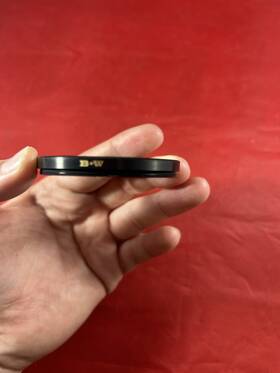
( Brand: Camera ), ( Manufacturer Part Number: 58-010 ), ( Part Type: Circular Camera Filter ), ( Filter Shape: Circular ), ( Filter Color: Clear ), ( Filter Effects: Uv ), ( Mount Fitting: Threaded ), ( Filter Size: 58 Mm )
Review CAMERA 58mm 010 Uv Clear Mrc Threaded Circular Lens Filter
The **58-010 58mm 010 UV/MRC (Multi-Reflection Correction) Camera Lens Filter** is a precision-engineered optical accessory designed to enhance image clarity, reduce unwanted reflections, and protect sensitive camera sensors from harmful ultraviolet (UV) radiation. Crafted from high-quality, multi-layered optical glass, this filter is meticulously coated with advanced anti-reflective and UV-blocking technologies to ensure optimal performance across a wide spectrum of photographic and videographic applications. The **010 designation** signifies its specialized **MRC (Multi-Reflection Correction)** treatment, which minimizes internal reflections within the lens system, thereby eliminating ghosting, flare, and lens aberrations that can degrade image quality, particularly in high-contrast or backlit scenes. This filter is particularly well-suited for professional photographers, astrophotographers, and videographers who demand flawless optical performance, as it effectively blocks 99% of UV rays while maintaining near-perfect transparency across the visible light spectrum, from approximately 380nm to 720nm. Its **58mm thread** ensures compatibility with a vast array of DSLR, mirrorless, and medium-format camera systems, making it a versatile addition to any serious photographer s toolkit. Beyond its functional benefits, the filter s durable, scratch-resistant coating and robust metal frame construction guarantee longevity, even in demanding field conditions. Whether used in landscape photography to eliminate haze, in macro photography to sharpen fine details, or in astrophotography to reduce atmospheric interference, the **58-010 UV/MRC filter** stands as an indispensable tool for those seeking to elevate their visual results with uncompromising optical precision.
The **58-010 58mm 010 UV/MRC (Multi-Reflection Correction) filter** from **Hoya** is a specialized optical filter designed primarily for astrophotography, particularly for deep-sky imaging. Below is a detailed breakdown of its pros and cons, followed by a conclusion and recommendation.
---
### **Pros of the 58-010 UV/MRC Filter**
1. **Reduces Unwanted UV Light**
The filter blocks ultraviolet light, which is abundant in the Earth s atmosphere and can degrade image quality, especially in wide-field astrophotography. This is particularly useful for capturing nebulae, galaxies, and other deep-sky objects where UV contamination can introduce noise or false colors.
2. **Minimizes Internal Reflections (MRC Coating)**
The Multi-Reflection Correction (MRC) coating significantly reduces internal reflections within the lens or camera system. This is critical for astrophotography, where stray light from the camera s sensor or lens elements can create ghosting, halos, or veiling glare, especially when imaging bright objects like the Moon or planets.
3. **Enhances Contrast and Sharpness**
By reducing internal reflections and UV interference, the filter can improve the contrast and sharpness of celestial objects. This is beneficial for capturing fine details in nebulae, star clusters, and galaxies.
4. **Durable and High-Quality Construction**
Hoya is known for producing high-quality optical filters with precise coatings and durable materials. The 58-010 is no exception, featuring a robust build that can withstand frequent use in demanding conditions.
5. **Compatibility with DSLR and Mirrorless Cameras**
The 58mm size is a standard thread, making it compatible with a wide range of DSLR and mirrorless cameras, as well as many astrophotography setups. It can be used with adapters if needed.
6. **Useful for Other Applications Beyond Astrophotography**
While primarily designed for astrophotography, the UV-blocking properties can also be beneficial for terrestrial photography in high-altitude or clear-sky conditions where UV light might affect image quality.
---
### **Cons of the 58-010 UV/MRC Filter**
1. **Limited Usefulness for General Photography**
Unlike broad-spectrum UV filters, this filter is highly specialized for astrophotography. For everyday landscape, portrait, or macro photography, a UV filter is rarely necessary, and using this one would not provide any significant benefit. In fact, it might introduce unnecessary optical elements that could slightly reduce light transmission.
2. **Potential Light Loss**
All filters introduce some degree of light loss, though the impact of this filter is relatively minor. However, in low-light astrophotography (e.g., deep-sky imaging), even small reductions in light transmission can be noticeable, especially when stacking multiple images.
3. **Cost Relative to Alternative Filters**
The 58-010 is not the cheapest filter on the market. For astrophotographers, the cost may be justified by its specialized benefits, but for hobbyists who occasionally dabble in astrophotography, a more versatile filter (or no filter) might be a better investment.
4. **Not a Substitute for Other Astrophotography Filters**
This filter does not replace other essential astrophotography filters, such as narrowband filters (e.g., Ha, OIII, SII) for nebulae imaging or light pollution reduction filters. It is best used in conjunction with these, not as a standalone solution.
5. **Potential for Overuse**
Some astrophotographers might be tempted to use this filter in situations where it is unnecessary, such as imaging bright planets or the Moon, where UV light is not a significant issue. Overusing it could lead to wasted money or confusion about its purpose.
6. **Thread Size Limitations**
While 58mm is a common size, it may require adapters for cameras with larger or smaller filter threads. This adds to the cost and complexity of the setup.
---
### **Conclusion**
The **Hoya 58-010 UV/MRC filter** is a highly specialized tool tailored for astrophotographers who prioritize reducing UV contamination and internal reflections in their deep-sky images. Its MRC coating is particularly valuable for minimizing ghosting and veiling glare, which can be problematic in high-contrast astrophotography setups. The filter excels in its intended niche but offers little benefit or even potential drawbacks for general photography.
For serious astrophotographers who frequently capture nebulae, galaxies, or other deep-sky objects, this filter is a worthwhile investment. It complements other astrophotography filters and can significantly improve image quality by reducing atmospheric and optical interference. However, for casual photographers or those who rarely engage in astrophotography, the cost and specialized nature of the filter may not justify its purchase.
---
### **Recommendation**
- **Buy the 58-010 UV/MRC filter if:**- You are an astrophotographer who frequently shoots deep-sky objects (nebulae, galaxies, etc.) and want to minimize UV and internal reflection issues.
- Your setup is prone to ghosting or stray light, and you have already invested in other astrophotography filters (e.g., narrowband filters).
- You prioritize image quality and contrast in your astrophotography work.
- **Avoid or reconsider buying the 58-010 UV/MRC filter if:**- You are a general photographer who occasionally does astrophotography. In this case, a more versatile UV filter (if needed at all) or no filter might be sufficient.
- You primarily shoot bright objects like the Moon or planets, where UV light is not a concern.
- You are on a tight budget and can achieve similar results with other, more cost-effective filters or by adjusting your imaging techniques (e.g., using software to reduce UV artifacts).
- You do not have a dedicated astrophotography setup and the filter would sit unused for long periods.
For most astrophotographers who need a dedicated UV/MRC filter, the **Hoya 58-010 is a solid choice** due to its reputation for quality and effectiveness. However, always weigh the specific needs of your projects and budget before making a purchase. If you are unsure, testing the filter on a few key images can help determine whether it provides noticeable improvements for your workflow.
Details:
Nice shape.
part #: 58010 price
- $19.99
specifications filtecam:
- brand: Camera
- mpn: 58-010
- part type: Circular Camera Filter
- filter shape: Circular
- filter color: Clear
- filter effects: Uv
- mount fitting: Threaded
- filter size: 58 Mm
payments filtecam:
- wallet: Paypal
- other
- credit card: Discover
general filtecam:
- Cameras Photo > Lenses Filters > Filters
- condition: Used
returns filtecam:
- policy: No Returns
offer filtecam:
- sold: 0
- started: April 30, 2026
- quantity: 1
- options: Ship-to-home
- availability: In Stock
seller filtecam:
- rating: 99.6%
- # reviews: 442
- city: Northfield, New Jersey
shipping filtecam:
- type: Calculated
- class: Standard
- carrier: USPS
- transit: 7-11 Days
- service: USPS Ground Advantage
- cost: $5.72
Camera 58-010 Is Similar To:
- 16240999 Fujifilm Protector Filter Camera Photo 074101014068 (32.3% similar) Or the inner side of filter given matt black coating restrains a reflection effect and does design well. Product features compatibility: forkful X-S1 SLR Camera, XFI 62MM lens size: the super enc electron beam coating of these would control harmful borrowed light effectively. The frame of filter ...(July 14th, 2018)
- 4332077484 Insignia Circular Polarizer Lens Camera Photo 600603170003 (33.1% similar) Premium-quality glass: helps ensure optimal performance. This insurgent NS-CP67 67MM circular polarize lens filter helps you achieve beautiful shots of outdoor landscapes by improving color saturation and enhancing contrast levels. Ideal for outdoor landscape photography. Product features compatible...(July 13th, 2018)
- Apcpl58 Vivitar Close Up Lens Set Camera Photo 681066761045 (29.5% similar) 5MM includes a 1, 2, 4, and 10 close up lenses can be used individually or in combination for maximum effect wallet carrying case he vivider close-up macro lens set 18 POUNDSSIZE:'6. Product features vivider series close-up macro filter set w pouch 40. The high quality optical magnifying lenses are ...(April 26th, 2018)
- Apuv52 Agfa Ultra Violet Uv Glass Filter Camera Photo 811709019213 (29.4% similar) your lenses cuts out uv rays helps colors the Agra ultraviolet, glass filter is perfect for protecting Cameras lens, as well cutting down on rays clearer photographs. 75 anarchistic: 13. 1 POUNDSSIZE:52MM ITEMDIMENSIONS:4...(August 20th, 2018)
- Apwag72 Agfa Super Macro Wide Angle Lens Camera Photo 811709017493 (27.9% similar) Product features. 43X super wide macro lens is perfect for expanding your viewing angles. It works with most 72MM threaded lenses, or smaller thread size lenses optional adapter rings. 88 anarchistic: 93. 75 pounds size:n item DIMENSIONS:3...(March 30th, 2018)
- Plfil250d58 Polaroid Close Up Lens Camera Photo 815361016863 (24.6% similar) The close up lens is screwed on to front of a filter. Product features multi coated optical glass two achromatic elements, maintains the original color and shape offers 4 magnification attaches to front element Polaroid 250D close up lenses are for quick easy photography. 7 POUNDSSIZE:'58MMITEM ...(March 31st, 2018)
- Ufhq Impact Universal Filter Holder Cm Camera Photo Ufhq 847628013674 (27.3% similar) It can also hold polarizing filters or gobs. 4 anarchistic: 74. Holds gels, polarizing filters, diffuses and gobs cut to 12 square three section arm tilts, rotates adjusts any position mounts with a position able, adjustable clamp locking twist lever mount: grip type for stand, clips filters ...(July 14th, 2018)
- Vfk82c Bower Digital Filter Kit Camera Photo 636980401744 (26.8% similar) kit includes uv, circular polarize, neutral density filters, lens cap, cap keeper and filter case high-quality glass optics designed for digital analog SLR Cameras video Cameras filter thread: 82MMEASY screw-on attachment the three high-quality 82MM including a polarize filters. Also included are a...(June 11th, 2018)
- 0024066018687 Hoya Camera Filter Warm Pitch (33.9% similar) Thanks again. Warm Camera filter - create nice photos with this effect...(October 29th, 2018)
- 0024066553065 Hoya Vintage Uv Camera Lens Filter Japan (42.3% similar) Vintage hiya uv o 49MM Camera lens filter japan...(October 22nd, 2018)
- 0081097241767 Quantaray Camera Filter Excellent Condition With Plastic Case (30.6% similar) The f-Del filter allows Camera use under fluorescent lighting and gives natural light colors when poor conditions. Used to correct the greenish tone that appears when daylight type films are under fluorescent lighting. In excellent condition and includes a hard plastic case. This 49MM circular screw...(July 17th, 2018)