KENKO 67MM Starry Night Light Pollution Lens Filter 4961607000939 Astrophotography
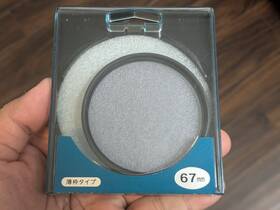
( Brand: Kenko ), ( Manufacturer Part Number: 67MM ), ( Part Type: Light Filter ), ( Filter Shape: Circular ), ( Materials Sourced From: Japan ), ( Filter Effects: Light Pollution ), ( To Fit: Lens ), ( UPC: 961607000939 )
Review KENKO Starry Night Light Pollution Cut Lens Filter Astrophotography
The **Kenko 67mm Starry Night Light Pollution Filter (Model 961607000939)** is a meticulously engineered optical accessory designed to elevate the quality of astrophotography by mitigating the pervasive effects of light pollution. Crafted with precision, this filter employs a specialized multi-layered coating to selectively block the wavelengths of artificial light particularly those emitted by mercury, sodium, and fluorescent sources while allowing the natural hues of celestial objects, such as stars, nebulae, and galaxies, to pass through with remarkable clarity. The filter s 67mm diameter ensures compatibility with a wide range of telescopes, DSLR cameras, and astrophotography setups, making it a versatile solution for both amateur and intermediate astronomers. Its optical glass is treated with advanced anti-reflective coatings to minimize ghosting and flare, ensuring that the captured images retain their sharpness and depth without unwanted color casts or distortions. Ideal for urban and suburban stargazers, this filter transforms light-polluted skies by enhancing contrast and revealing the true colors of deep-sky objects, from the delicate blues of reflection nebulae to the fiery reds of emission nebulae. Whether attached to a dedicated astrophotography camera or a modified DSLR, the Kenko Starry Night filter empowers photographers to capture the cosmos with unprecedented detail, even under challenging observing conditions. Built to withstand rigorous use, it is housed in a sturdy metal frame that maintains precise alignment, ensuring consistent performance across multiple sessions. For those seeking to push the boundaries of their astrophotography, this filter is an indispensable tool a bridge between the limitations of urban skies and the boundless wonders of the universe.
The Kenko 67mm Starry Night Light Pollution Filter (model 961607000939) is a popular choice for astrophotographers aiming to reduce light pollution and enhance deep-sky imaging. Below is a detailed breakdown of its pros and cons, followed by a conclusion and recommendation.
---
**Pros:**1. **Effective Light Pollution Reduction:** The filter is designed to block the most common wavelengths of artificial light pollution (typically around 486 nm and 500 nm), allowing more natural starlight and nebula emissions to pass through. This can significantly improve the contrast of deep-sky objects like galaxies, nebulae, and star clusters in urban or light-polluted areas.
2. **High Optical Quality:** Kenko is known for producing filters with excellent optical coatings and precision manufacturing. This filter uses multi-layer dielectric coatings to minimize reflections and maintain sharpness across the visible spectrum, which is crucial for astrophotography.
3. **Compatibility:** The 67mm size is a standard diameter for many astrophotography setups, including DSLRs, mirrorless cameras, and some dedicated astrophotography cameras. It fits most telescope and lens adapters, making it versatile for various configurations.
4. **Durability:** The filter is housed in a sturdy metal ring with a rubber gasket to ensure a secure and airtight seal, protecting the coating from dust, moisture, and scratches. This is important for maintaining long-term performance.
5. **Affordability:** Compared to some high-end astrophotography filters, the Kenko Starry Night filter offers a good balance between cost and performance, making it accessible for hobbyists and intermediate astrophotographers.
6. **Minimal Color Fringing:** The coating is designed to reduce chromatic aberration, which can be a common issue with cheaper filters. This helps maintain image clarity, especially when photographing wide-field scenes.
7. **Easy to Install:** The filter threads onto most standard camera lenses or telescope adapters without requiring additional hardware, making it user-friendly for beginners.
---
**Cons:**1. **Limited to Specific Wavelengths:** While the filter blocks common light pollution lines, it may not be as effective against all types of artificial lighting (e.g., some LED or fluorescent sources can emit light at unexpected wavelengths). This means results can vary depending on the location and type of light pollution.
2. **Not Ideal for Planetary Imaging:** The filter is optimized for deep-sky astrophotography and may not be suitable for imaging planets, the Moon, or the Sun. For these subjects, a different filter (such as a planetary or solar filter) would be more appropriate.
3. **Potential for Overcorrection:** In areas with very low light pollution, the filter might block too much natural light, resulting in dimmer images. Astrophotographers in dark-sky locations may find the filter less necessary or even counterproductive.
4. **Thread Size Limitations:** While 67mm is a common size, it may not fit all lenses or adapters, especially those with non-standard thread sizes. Users with specialized setups might need additional adapters, which can add cost and complexity.
5. **Durability Concerns with Handling:** Although the filter is robust, the coating can be damaged by scratches or improper cleaning. Users must handle it carefully to avoid compromising the optical quality.
6. **No UV/IR Cut:** Unlike some high-end filters, the Kenko Starry Night filter does not include a UV/IR cut-off layer. This means it may allow some unwanted ultraviolet or infrared light through, which can affect color balance and image quality, particularly in long-exposure shots.
7. **Performance Variability:** As with any filter, results can vary based on the quality of the camera sensor, lens, and the specific conditions of the shooting location. Some users may not see dramatic improvements, especially if their light pollution is minimal or unique in its wavelength.
---
**Conclusion:**The Kenko 67mm Starry Night Light Pollution Filter is a solid choice for astrophotographers looking to reduce the impact of artificial light pollution in their deep-sky images. It offers a good balance of affordability, optical quality, and effectiveness for urban or moderately light-polluted areas. However, it is not a universal solution its benefits depend heavily on the specific conditions of the shooting location and the type of astrophotography being pursued. For those shooting in dark-sky locations or focusing on planetary imaging, the filter may be less useful or even unnecessary.
---
**Recommendation:**If you are an astrophotographer shooting primarily deep-sky objects (galaxies, nebulae, etc.) from a location with noticeable light pollution, the Kenko 67mm Starry Night filter is a worthwhile investment. It can significantly enhance the contrast and detail of your images without breaking the bank. Pair it with a sturdy lens hood and proper camera settings (e.g., high ISO, appropriate exposure times) to maximize its effectiveness.
For those in extremely dark-sky locations or those primarily interested in planetary imaging, consider alternative filters or no filter at all. Additionally, if you plan to shoot in a variety of conditions, you might explore more advanced filters (e.g., those with built-in UV/IR cut or broader light pollution blocking capabilities) for greater versatility.
Ultimately, test the filter in your specific conditions to determine if it provides noticeable improvements to your images. Many astrophotographers find that combining the Kenko filter with other techniques (such as careful location selection, dark frame processing, and post-processing) yields the best results.
Details:
I am selling Kenko 67MM starry night filter for astrophotography and sky photography. The filter was barely used and has no scratches or blemishes. Comes in original filter case. Its a quality filter.
specifications filtecam:
- brand: Kenko
- mpn: 67mm
- part type: Light Filter
- filter shape: Circular
- materials sourced from: Japan
- filter effects: Light Pollution
- to fit: Lens
- upc: 961607000939
seller filtecam:
- city: Irvine, California
- rating: 100.0%
- # reviews: 1765
returns filtecam:
- policy: No Returns
shipping filtecam:
- class: Standard
- service: USPS Ground Advantage
- cost: $10.50
- carrier: USPS
- transit: 5-8 Days
- type: Calculated
general filtecam:
- Cameras Photo > Lenses Filters > Filters
- condition: Used
payments filtecam:
- other
- credit card: Discover
- wallet: Paypal
offer filtecam:
- sold: 0
- started: February 19, 2026
- availability: In Stock
- quantity: 1
- options: Ship-to-home
Kenko 67MM Is Similar To:
- 010174 Kenko Super Pro Filter Uv Absorption Unused Japan (35.9% similar) It is made in japan and a very high quality filter. Kenko is the brand that sold in japan and hiya every where else world. Shipped with USPS first class package. Kenko filter for camera MC L37 super pro 52MM UV absorption. Good optical glass, solid construction and excellent protection for your lens...(April 2nd, 2019)
- 018249 Kenko Neutral Density Lens Filter For Solar Eclipse Original (39.7% similar) Part: 82PROND100000 prices...(June 15th, 2018)
- 033155106853 Kenko Foggy Filter (23.3% similar) Please see all pictures for more details. Pre owned Kenko foggy b filter for 55MM lens. Please message me with any questions and I will do my best to answer them. Don't be afraid to message me an offer, you never what the answer may. Shipping within the us...(November 1st, 2018)
- 0354 0330 0378 Kenko Red Green And Yellow Filter Double New 033155103517 (24.8% similar) All filters are in original factory sealed condition. This is a set of brand new, latest technology double coated filters in 58MM. Filters, film and bulbs are consumables non returnable items. Nothing beats a good quality filter, here you can have this brand new, never removed from boxes at fraction...(March 1st, 2018)
- 076231 Kenko Lens Ac (22% similar) The high performance lens consists of a set two component lenses to suppress aberration. Kenko close-up lens 49MM ac no. 3 achromatic-lens these lenses are close-up accessories attached at the leading edge of lens, just way filters. If shooting distance of the original lens is long, select either no...(July 14th, 2018)
- 080979 Kenko Dr Super Camera Lens Filters New (35.8% similar) Shipping - most of the items will arrive in first class or priority mail via post office. I will not accept return unless item is defective or as described. Virgin islands. Virgin islands. Item condition - brand new and sealed...(November 6th, 2018)
- 152027 Kenko Uv Optical Glass Filter Made In Japan (31.7% similar) 52S MC UV protection filter japan import product features Japanese instruction only specifications package dimensions: Thieu filter works to absorb the ultraviolet rays which often makes outdoor photographs hazy and indistinct, can also serve as a permanent lens protector. Japans number 1 selling ...(May 26th, 2018)
- 228249 Kenko Nyumon Slim Ring Uv Mc Filter Black Compact New (30.9% similar) Bayamon is the Japanese word for 'apprentice. Bayamon is the best option of good quality and affordable price for those starting to shoot. As a photo and video enthusiast,you take great pride in your images well camera gear. FedEx 2 day is an estimate of shipping time only. Mounted in a slim ring ...(June 18th, 2018)
- 246528 Kenko Lens Filter Uv Realpro (33.9% similar) Best regards. Like new, used once. 3x Kenko lens filter PRO1D w 46MM, UV real pro, 37MM PRO1. Please remember, return not accepted...(July 27th, 2018)
- 349922 Kenko Filter For Camera Ac Lens Shooting (29.4% similar) No scratches or dings. Excellent 49MM Kenko close-up filter, with case. Comes from smoke and pet free home...(September 4th, 2018)
- 355220 Kenko Point Cross Screen Camera Lens Filter Made 4961607355220 (34.2% similar) Kenko 55MM r-snow 6 point cross screen camera lens filter - made in japan, comes with instructions and cover...(July 29th, 2018)