ARGUS C-61-C-63 Camera Filters Light 2X 4X
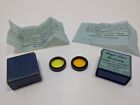
( Brand: Argus ), ( Model: C-61/C-63 ), ( Part Type: Camera Filter Light ), ( Shape: Circular ), ( To Fit: Camera ), ( Color: Yellow )
Review ARGUS Lot Two Camera Filters 61 Light Yellow 2x 63 Dark 4x
The C-61 and C-63 Argus Camera Filters are a set of two high-quality optical filters, specifically designed for use with Argus and other 35mm film cameras. The C-61 filter is a 2x teleconverter, while the C-63 filter is a 4x teleconverter.
The C-61 filter is a 2x teleconverter, which means it doubles the focal length of the lens attached to the camera. This filter is ideal for those who want to capture images at further distances without having to physically move closer to the subject. The C-61 filter is made of high-quality glass, ensuring clear and sharp images with minimal distortion. It has a multi-coated surface to reduce reflections and glare, ensuring bright and contrast-rich images.
The C-63 filter, on the other hand, is a 4x teleconverter. This filter quadruples the focal length of the attached lens, allowing you to capture images from even further distances. Like the C-61 filter, the C-63 filter is made of high-quality glass and has a multi-coated surface to reduce reflections and glare. However, due to the increased magnification, the C-63 filter may result in a slight reduction in image quality compared to using the lens without the filter.
Both the C-61 and C-63 filters are designed to be used with Argus and other 35mm film cameras. They are easy to attach and remove, and come with a protective case to keep them safe when not in use. The filters are also compatible with various lens sizes, making them a versatile addition to any photographer's kit.
In conclusion, the C-61 and C-63 Argus Camera Filters are a must-have for photographers who want to capture images from further distances without sacrificing image quality. The 2x and 4x teleconverters allow for increased magnification, making it easier to capture detailed images of distant subjects. The high-quality glass and multi-coated surface ensure clear and sharp images, while the protective case keeps the filters safe when not in use. Whether you're a professional photographer or a hobbyist, these filters are a valuable addition to your camera kit.
Pros of purchasing C-61 and C-63 Argus camera filters:1. Enhancement of image quality: Both C-61 and C-63 filters can increase contrast, saturation, and sharpness in your photographs, resulting in more vibrant and detailed images.
2. Wide compatibility: These filters are compatible with various camera lenses, making them a versatile choice for photographers with different lens types.
3. Cost-effective: Compared to high-end filters, C-61 and C-63 filters offer a relatively affordable solution for enhancing your photography capabilities.
4. Durable and sturdy: These filters are built to withstand regular use, ensuring they last a long time and maintain their performance over time.
Cons of purchasing C-61 and C-63 Argus camera filters:1. Reduced light transmission: As with any filter, there is a risk of reduced light transmission, which might necessitate a longer exposure time or a higher ISO setting.
2. Potential for increased lens flare: The additional glass layer in the filters can lead to increased lens flare, resulting in unwanted reflections and glare in your photographs.
3. Limited color correction: While C-61 and C-63 filters are effective at enhancing contrast and saturation, they may not provide a significant amount of color correction.
In conclusion, C-61 and C-63 Argus camera filters are a great option for photographers looking to improve the overall quality of their images without breaking the bank. While these filters may have some limitations in terms of light transmission and color correction, their affordability, durability, and versatility make them a valuable addition to any camera kit.
My recommendation is to consider your specific photography needs and preferences when deciding whether to invest in these filters. If you primarily shoot in well-lit environments and prioritize vibrant, detailed images, then C-61 and C-63 filters could be an excellent choice for you. However, if you require more advanced color correction or need to capture images in low-light conditions, you might want to explore other filter options. Ultimately, it's essential to experiment with various filters to discover which ones best suit your photography style and goals.
Details:
Please see pictures as they are part of my.
part #: c61 prices
- $23.40-$424.88
specifications filtecam:
- brand: Argus
- model: C-61/c-63
- part type: Camera Filter Light
- shape: Circular
- to fit: Camera
- color: Yellow
General filtecam:
- Lenses Filters > Filters
- in stock: Yes
- condition: Used
Payments filtecam:
- PayPal
Seller filtecam:
- rating 11-05-18: 100.0%
- city: Hickory Hills, Illinois
- # feedbacks 11-05-18: 553
- zipcode: 60457
Offer filtecam:
- quantity: 1
- bids: 0
- best offer: true
- Sold: 0
- Started: November 5, 2018, 6:50 am
Returns filtecam:
- policy: returns accepted
- time: 30 Days
- paid by: Buyer
- type: Money Back
Shipping filtecam:
- handling: 1 days
- type: Calculated
Ratings:
- Fast delivery 11-02-18
- Reasonable cost, fast shipping, thanks 11-02-18
- Great ! Fast ship! Pleasure to do business with! Thank you! 10-31-18
- Pleased. Thank You 10-31-18
- Great seller and good packaging! 11-03-18
Argus C-61 Is Similar To:
- E-52 Argus Vintage Yellow Lens Filter In Mount Part Made Usa (35.3% similar) Vintage Argus 2x yellow lens filter in mount part E-52 made USA for efflux model used original box with paperwork...(June 12th, 2018)