TIFFEN S9DF14 Double Fog Lens Filter Mist Lower Contrast 1/4
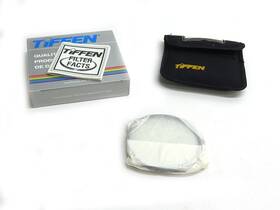
( Brand: Tiffen ), ( Manufacturer Part Number: S9DF14 ), ( Part Type: Filter ), ( Filter Shape: Circular ), ( Filter Effects: Fog ), ( Mount Fitting: Drop-in ), ( Filter Size: Series 9 ), ( Country Of Origin: United States )
Review TIFFEN Series Double Fog 1/4 Lens Filter Mist Lower Contrast
The Tiffen S9DF14 Double Fog 1/4" Lens Filter is a versatile and subtly transformative photographic tool designed to enhance the mood and atmosphere of your images with a delicate, ethereal quality. Crafted from high-quality optical glass and housed in a durable, lightweight aluminum frame, this filter is engineered to deliver consistent, professional results without compromising image sharpness or color fidelity. The Double Fog effect is achieved through a carefully balanced diffusion of light, creating a soft, velvety bokeh that gently blurs fine details while preserving the overall structure of your scene. This effect is particularly effective in portraiture, where it can add a dreamy, romantic quality to skin tones and facial features, or in landscape photography, where it lends a misty, timeless feel to expansive vistas. The 1/4" thread makes it compatible with a wide range of camera lenses, from standard to telephoto, ensuring seamless integration into your existing gear. Whether you're shooting in bright daylight or low-light conditions, the filter s subtle tone reduction properties help lower contrast without introducing harsh color casts, allowing for more balanced exposures and a softer, more harmonious look. Ideal for photographers seeking to evoke emotion and depth in their work, the Tiffen S9DF14 is both a practical and artistic addition to any lens filter kit, offering a refined alternative to more aggressive diffusion techniques.
The Tiffen S9DF14 Double Fog 1/4" lens filter, marketed as a "mist lower contrast" filter, is designed to soften images by diffusing light and reducing contrast. Below is a detailed breakdown of its pros and cons, followed by a conclusion and recommendation.
---
### **Pros of the Tiffen S9DF14 Double Fog Filter**
1. **Softens Image Contrast**
The filter diffuses light, reducing harsh shadows and highlights, which can be useful for achieving a dreamy, ethereal look. This is particularly beneficial in high-contrast scenes, such as landscapes with strong backlighting or portraits with dramatic lighting.
2. **Creates a Natural "Mist" Effect**
It mimics the softening effect of natural atmospheric haze, which can be desirable for certain artistic or cinematic styles. This filter can make images appear more atmospheric and less stark.
3. **Versatile for Various Genres**
While often associated with landscape photography, the filter can also be useful in portraiture to soften skin tones and reduce blemishes or wrinkles. It may also enhance the mood in wedding or fashion photography by adding a subtle softness.
4. **Easy to Use**
As a 1/4" filter, it is compatible with most lens hoods and adapters, making it convenient for photographers who already use this size. It can be stacked with other filters if needed.
5. **Affordable for a Tiffen Filter**
Compared to some specialty filters, the Tiffen S9DF14 is reasonably priced, offering good value for its intended effect.
6. **Non-Destructive Effect**
Since the filter physically diffuses light rather than relying on post-processing, it can be a quick solution for achieving a softer look without extensive editing.
---
### **Cons of the Tiffen S9DF14 Double Fog Filter**
1. **Reduces Image Sharpness**
The primary downside is that the filter intentionally softens details, which can be problematic for photographers who prioritize sharpness, such as in macro, architectural, or sports photography. Fine details like textures, edges, or facial features may appear blurred.
2. **Loss of Detail in High-Contrast Areas**
While the filter softens contrast, it can also wash out important details in shadows or highlights. For example, in landscapes, the filter might reduce the visibility of fine textures in foliage or clouds, or in portraits, it could obscure subtle facial expressions.
3. **Limited Creative Control**
The effect is uniform across the entire frame, meaning you cannot selectively soften specific areas of the image. Post-processing tools like Photoshop offer more flexibility to apply selective softening or other effects.
4. **Potential for Overuse**
The filter s effect can easily become overpowering if used excessively. A subtle application may be desirable, but applying it in high-ISO or low-light conditions could amplify noise and further degrade image quality.
5. **Compatibility Issues**
While the 1/4" size is common, some photographers may need adapters or additional hardware to use it with certain lenses or cameras, especially if they have a diverse collection of gear.
6. **Not Ideal for All Subjects**
The filter is less suitable for subjects that require precision, such as wildlife, sports, or product photography. It may also clash with minimalist or high-contrast styles that rely on sharpness and definition.
7. **Color Shifts**
Some diffusing filters can introduce slight color casts or shifts, though Tiffen filters are generally well-regarded for their color accuracy. Still, it s worth testing the filter in your specific shooting conditions to ensure no unintended color changes occur.
---
### **Conclusion**
The Tiffen S9DF14 Double Fog filter is a useful tool for photographers who prioritize softness, atmospheric quality, and reduced contrast in their images. It excels in genres like landscape, portrait, and certain types of editorial photography where a dreamy or romantic aesthetic is desired. However, its effect intentional softening and loss of sharpness makes it unsuitable for genres that demand precision, such as macro, architectural, or action photography.
The filter s value lies in its ability to quickly achieve a specific look without extensive post-processing, but it is not a one-size-fits-all solution. Photographers who experiment with artistic styles or seek a subtle softening effect may find it valuable, while those who rely on crisp details should consider alternatives or use it sparingly.
---
### **Recommendation**
- **Buy the Tiffen S9DF14 if:**- You shoot landscapes, portraits, or editorial work where a soft, atmospheric look is desirable.
- You want a quick in-camera solution for reducing contrast without heavy post-processing.
- You already use 1/4" filters and want to expand your creative options without investing in a high-end filter system.
- **Avoid the Tiffen S9DF14 if:**- You prioritize sharpness and detail in your photography (e.g., macro, sports, architecture).
- You frequently shoot in genres where contrast and texture are critical.
- You prefer more control over selective softening, which can be achieved more effectively in post-processing.
- **Alternatives to Consider:**- For a more subtle softening effect, experiment with a **graduated neutral density (ND) filter** or a **polarizing filter**, which can reduce contrast without fully diffusing the image.
- If you want to soften skin tones in portraits, a **soft focus lens** or **macro lens** (like a 50mm f/1.4 with a slight softness) may offer more control.
- For cinematic or high-contrast scenes, a **split ND filter** or **variable ND filter** could provide more flexibility than a fixed diffusing filter.
Ultimately, the Tiffen S9DF14 is a niche but worthwhile filter for photographers who appreciate its specific aesthetic. Test it in your workflow to determine if it aligns with your creative goals.
Details:
The Tiffen Series 9 Double Fog 1/4 Filter simulates the effects of natural fog or mist by creating a soft glow around highlights and lowering overall contrast scene. Provides a fog-like effect with dramatically lowered overall contrast. The 1/4 density provides a very small amount of fog effect. Maintains greater sharpness and is less affected by highlight-flare than the standard Fog filter.
Does not require exposure compensation to make up for filter effect. When compared to the standard Fog filter, this filter places greater emphasis on lowering contrast while maintaining sharpness and minimizing effects of flare. The 1/4 density provides a very small fog effect. Tiffen filters are made using Color Core technology, a process that involves laminating the filter substrate between 2 pieces of optical glass, grinding flat to tolerance 1/10,000th an inch, and then mounting precision metal rings.
part #: s9df14 prices
- $40.00-$240.00
specifications filtecam:
- brand: Tiffen
- mpn: S9df14
- part type: Filter
- filter shape: Circular
- filter effects: Fog
- mount fitting: Drop-in
- filter size: Series 9
- country of origin: United States
returns filtecam:
- policy: Returns Accepted
- paid by: Buyer
- time: 30 Days
- method: Money back
seller filtecam:
- city: Temecula, California
- rating: 100.0%
- # reviews: 1566
offer filtecam:
- best offers: True
- sold: 0
- options: Ship-to-home
- started: March 12, 2026
- quantity: 1
- availability: In Stock
payments filtecam:
- other
- credit card: Discover
- wallet: Paypal
general filtecam:
- condition: Open box
- Cameras Photo > Lenses Filters > Filters
shipping filtecam:
- cost: $0.00
- carrier: FedEx, UPS, USPS
- service: FedEx Ground / FedEx Home Delivery, UPS Ground, USPS Priority Mail
- class: Standard, Expedited
- type: Fixed
- transit: 3-7 Days
Tiffen S9DF14 Is Similar To:
- 67vstr Tiffen Vector Star Filter 000493831266 (31.3% similar) Rotating mount allows exact positioning of light rays. Product features limitless creative options. Can be used in combination with other filters for remarkably creative effects. Precision metal mounting ring. Great for water scenes, candle flames, street lights, and more...(March 2nd, 2019)
- 0002v411 Canon Tiffen Filter 049383049046 (25.5% similar) Maintains focus. Often used to mute colors for exquisite pastel tones. The pro-mist is a popular motion picture effect that creates special atmosphere by softening excess sharpness and contrast. Helpful in hiding skin blemishes or discoloration perfect for glamour shots and dream-like landscapes ...(September 14th, 2018)
- 0003 Eumig Lens Filters Tiffen Hoya And Close Up (37.6% similar) All attempts are made to represent each item in an honest and forthright manner. This extra step for you insures each order is correct, labeled and shipped out fast. Exchange is available but for any questions. 50 handling charge has been applied to the package help defer packaging costs. Combined ...(September 8th, 2018)
- 0049383026139 Tiffen Mm Haze Filter In Original Plastic Box (34.4% similar) Buying as pictured. All shipping is priority mail. This filter eliminates UV problems from most situations where increased haze tends to wash out color and image clarity. I combine orders sold in the same day. Its great for all-around UV control. Shipping calculated by area. This is most often out ...(May 14th, 2018)
- 0049383028393 Tiffen Fog Glass Photographic Filter Mint (38.7% similar) Tiffen 52 52MM fog 1 glass photographic filter mint looks unused in original packaging...(January 1st, 2019)
- 0049383034783 Tiffen Filter (27.1% similar) Be assured that I wrap and ship with care. For black and white infrared film only: no visible transmission. Us sales only...(January 21st, 2019)
- 0049383048971 Tiffen Neutral Density Filter Enhancing And Circular Polorizer (38.6% similar) All very good...(September 7th, 2018)
- 0049383051285 Tiffen Sky Filter Usa With Box (33.6% similar) Please view all pictures...(April 2nd, 2018)
- 0049383064421 Tiffen Filter Pouch With Filters Kit In Good (29.9% similar) 4b 1/7 7MM Tiffen ultra contrast 3 pro-mist they have not be used in a while, the may need some cleaning. Feel free to ask any question...(April 4th, 2018)
- 0049383081930 Tiffen Warming Filter Mint (40.4% similar) Adds warmth to pale washed-out flesh tones. Great for both photography and ideograph. This Tiffen 812 warming filter improves and warms up landscape also skin tones if used for portraits. Photos are of actual filter and case. The exterior of plastic storage case has some minor rubs from being stored...(March 21st, 2018)
- 0049383099423 New Usa Tiffen Uv Protector Filter In Protective (35.1% similar) Tiffen is a long-time filter maker based in USA. 3 shipping choices are available. The filters are made in USA...(February 7th, 2019)